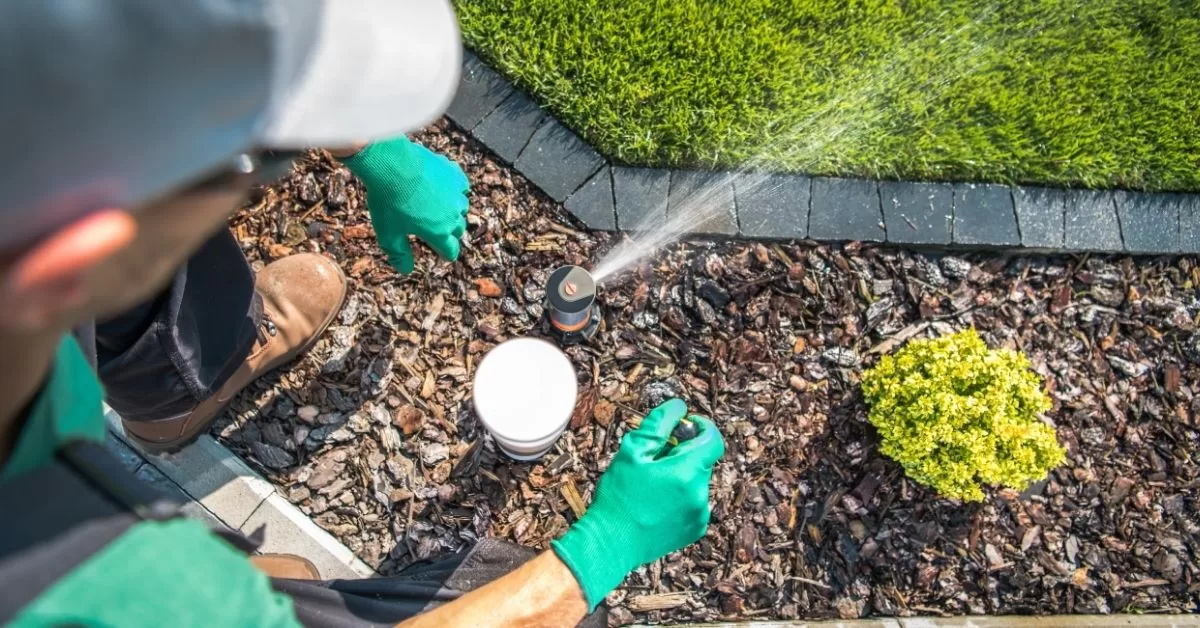
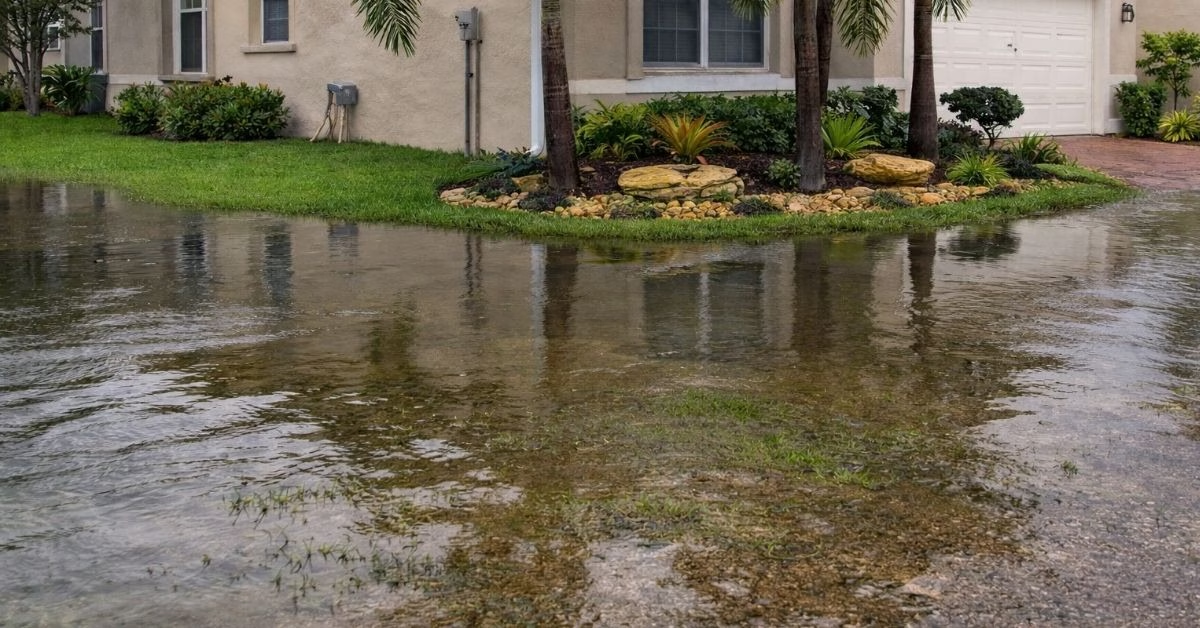
If your lawn turns into a sponge every winter, you’re not the only one. We get these calls every year from homeowners dealing with issues with their yard drainage in St. Augustine, all sharing the same frustration.
At this point, we’re pretty sure we know all the common culprits, which is why we at Beach Ride Rental have written this guide to help you identify what’s leading to standing water in your yard. Here’s what’s really going on beneath the surface.
Water Has Nowhere to Go
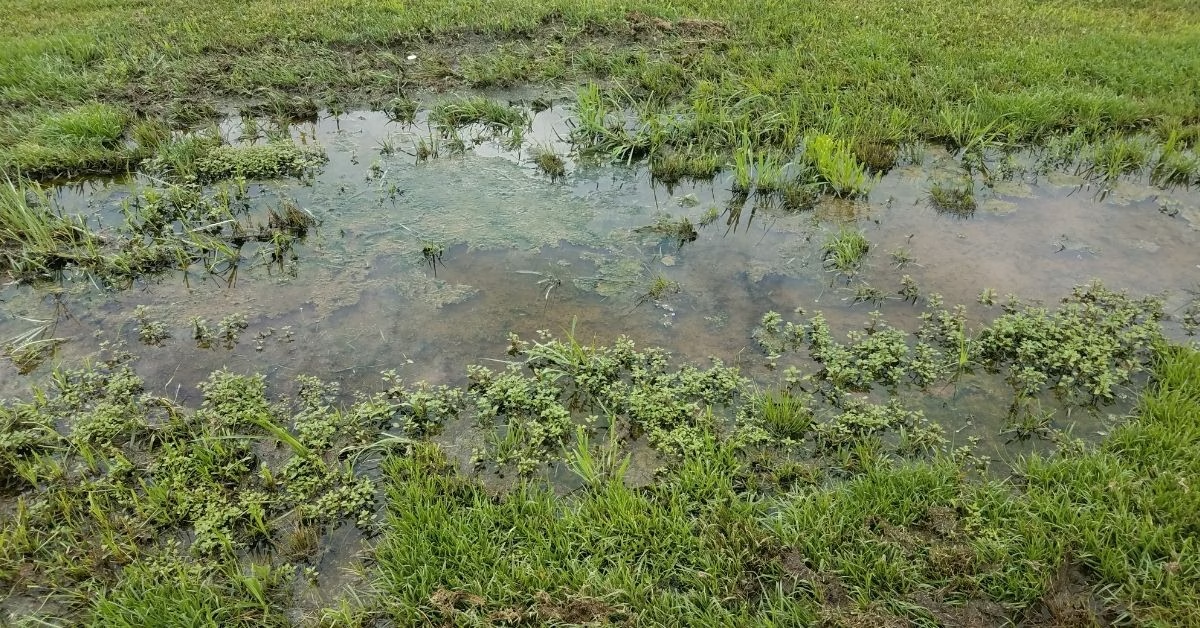
One of the most common lawn flooding causes we see is simple: water doesn’t have a clear path out of the yard.
Small grading issues can really make or break your lawn drainage in St. Augustine because over time, soil settles, beds rise, walkways shift, and patios block natural flow, which results in low spots that collect water when it rains.
If you’ve noticed the same areas flooding again and again, it’s usually because those areas are doing exactly what gravity tells them to do: trapping runoff.
The Soil Stops Absorbing Water
St. Augustine yards often look sandy on top, but what’s underneath tells a different story. Construction compaction, heavy equipment, and foot traffic can compress the soil, creating a dense layer that water can’t penetrate.
In other cases, there’s a hard clay layer below the surface. Water hits it, stops, and spreads sideways instead of soaking down. That’s why soil compaction yard flooding is so common here, even on yards that appear sloped.
Once absorption slows, surface water builds fast, which explains why one of the most common drainage solutions in St. Augustine is as simple as fixing the soil itself.
Drainage Systems That Aren’t Working Anymore
Sometimes drainage exists, but it just isn’t doing its job.
We regularly find clogged drainage systems in St. Augustine buried under sod, blocked by roots, or filled with debris.
We also find older systems undersized for the current runoff, which is especially common if you’ve done big changes to your lawn without updating the drainage installation.
In both cases, you tend to run into the same risks: pipes can collapse, inlets can shift, and water backs up instead of moving away.
When that happens, drainage repair in St. Augustine becomes unavoidable, because a failing system often makes flooding worse, not better.
The Wrong Fix Keeps the Problem Coming Back
One of the biggest mistakes we see is treating surface symptoms instead of the real problem. Filling low spots or adding extra soil might help temporarily, but if the issue is subsurface water or poor flow, flooding will return.
Some yards need surface drains. Others need subsurface solutions. In certain cases, French drain installation in St. Augustine is the right move, but only when it matches the way water actually moves through the property.
Guessing leads to repeated problems and wasted money. That’s why proper drainage solutions in St. Augustine always start with understanding the yard, not forcing a one-size-fits-all fix.
Fix Things the Right Way With Baker Company Inc.
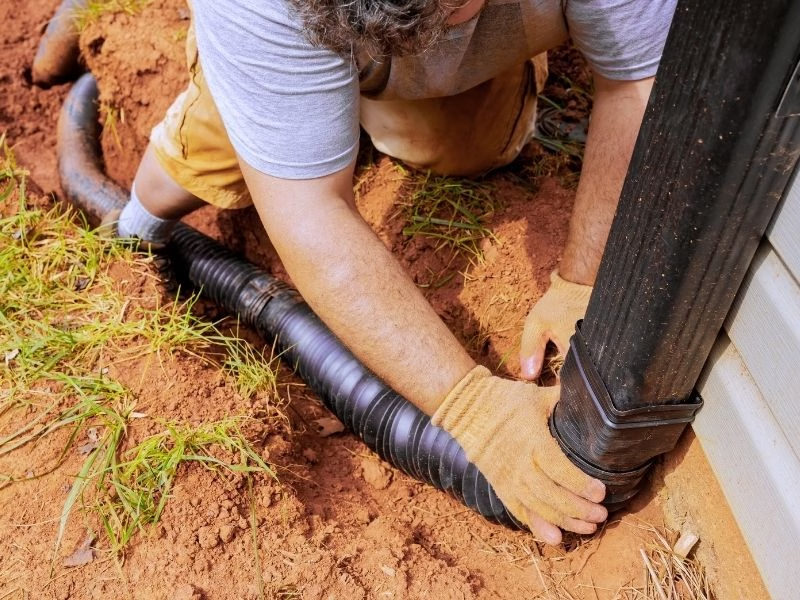
At Baker Company Inc., we deal with poor yard drainage in St. Augustine every winter, and the pattern is always the same. Fix the real cause, and the flooding stops, season after season.
If your yard floods every time winter rain rolls through, it’s time to address the drainage issue itself, not just the puddles it leaves behind.
Give us a call at 904-794-7001 or schedule your service online. We’ll fix your yard so you don’t have to deal with any standing water in your yard!
FAQ's
Why does my yard only flood after winter rain?
Because winter rain comes in stretches, not bursts. The ground never gets a chance to dry out, so weak drainage shows itself fast.
Is standing water in my yard normal for St. Augustine?
No. Temporary puddles happen, but water that sits for days means your yard isn’t draining the way it should.
Can poor drainage damage my lawn even if it dries out later?
Yes. Repeated saturation suffocates roots, thins turf, and creates permanent low spots that only get worse over time.
Does winter rain affect my irrigation system too?
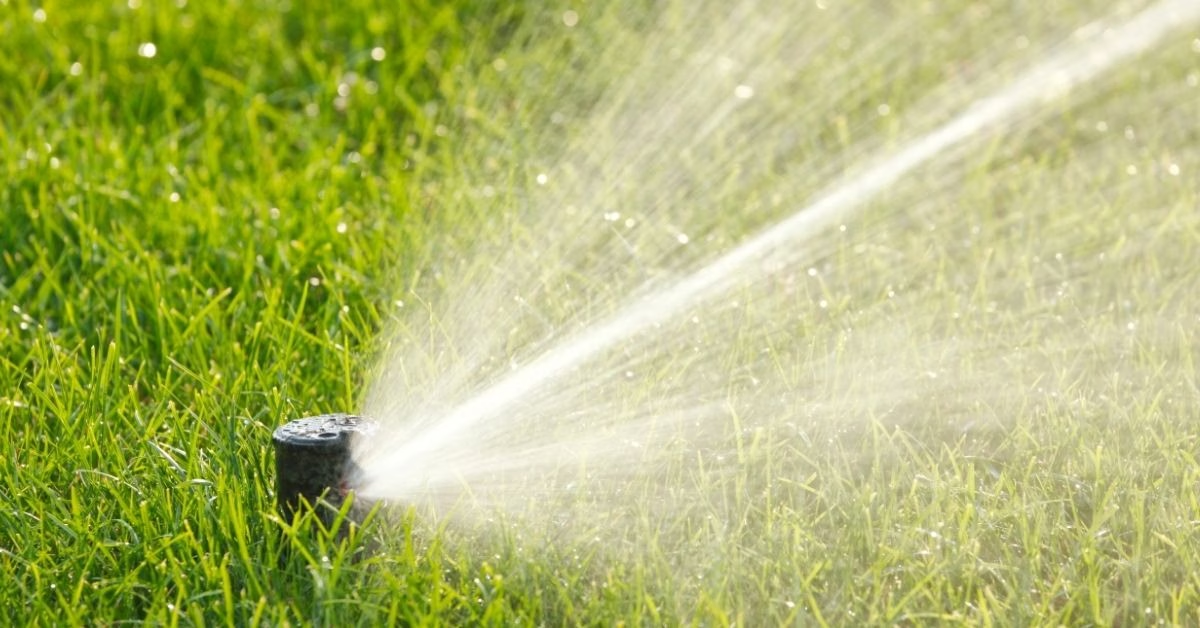
Yes, of course. Winter rain tends to saturate soil; add to that cold snaps, and you can end up with leaks, stuck valves, and drainage zones that just don’t work properly.
How do I know if I need drainage repair or a full drainage system?
If flooding happens in the same spots every winter, it’s more than a surface issue. That’s when a proper inspection makes all the difference.
When is the best time to fix yard drainage problems?
Before the next rainy season. Fixing drainage early prevents repeat flooding and saves your lawn from long-term damage.